
| Diabetes Risk Factor Common in Latin Americans Might Have Come from Neanderthals The Indian Express Group | |
| go to original December 29, 2013 |
 |
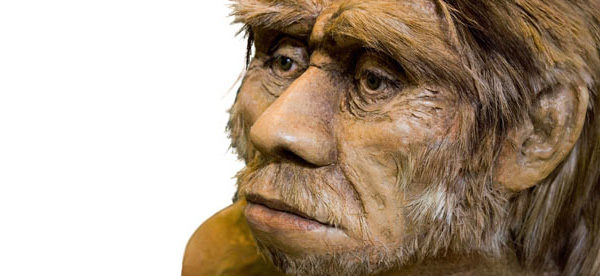
Analyses indicated that the higher risk version of SLC16A11 was introduced into modern humans through mixing with Neanderthal. (Chris Howes/Alamy)
A gene variant that increases the risk of diabetes in Latin Americans may have been inherited from Neanderthals, a new study has found.
The gene variant was detected in a large genome-wide association study (GWAS) of more than 8,000 Mexicans and other Latin Americans.
People who carry the higher risk version of the gene are 25 per cent more likely to have diabetes than those who do not, and people who inherited copies from both parents are 50 per cent more likely to have diabetes, researchers found.
The higher risk form of the gene - named SLC16A11 – has been found in up to half of people with recent Native American ancestry, including Latin Americans, 'BBC News' reported.
The variant is found in about 20 per cent of East Asians and is rare in populations from Europe and Africa.
The elevated frequency of this risk gene in Latin Americans could account for as much as 20 per cent of the populations' increased prevalence of type 2 diabetes - the origins of which are not well understood.
Read the rest at Indian Express
We invite you to add your charity or supporting organizations' news stories and coming events to PVAngels so we can share them with the world. Do it now!
Celebrate a Healthy Lifestyle
 From activities like hiking, swimming, bike riding and yoga, to restaurants offering healthy menus, Vallarta-Nayarit is the ideal place to continue - or start - your healthy lifestyle routine.
 Banderas Bay offers 34 miles of incomparable coastline in the states of Jalisco and Nayarit, and home to Puerto Vallarta and Riviera Nayarit's many great destinations.