
| Latin America Advances Toward Universal Access to HIV Treatment VOXXI | |
| go to original November 28, 2013 |
 |
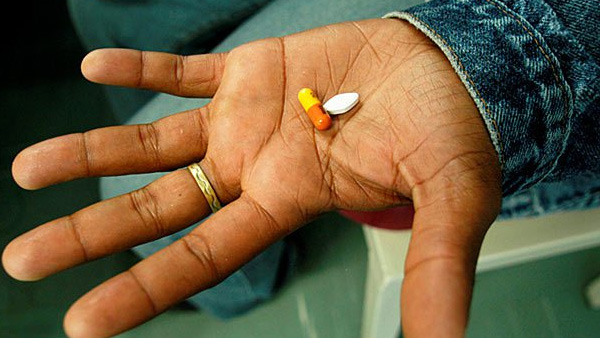
Seven countries in the region are now following WHO recommendations to provide ART at an earlier stage of HIV infection. (Courtesy)
Latin American and the Caribbean lead the developing world in levels of antiretroviral coverage in the fight against the HIV infection, according to a new report from the Pan American Health Organization/World Health Organization (PAHO/WHO).
Three out of four people who need antiretroviral treatment (ART) in Latin America and the Caribbean are receiving it.
That leaves one in four without the life-saving treatment but represents a 10% improvement in just two years and puts Latin America and the Caribbean ahead of all other developing regions in levels of ART coverage.
“Latin America and the Caribbean lead the world in providing and expanding antiretroviral treatment on the basis of technological innovation and scientific evidence,” writes PAHO Director Carissa F. Etienne in the preface to the report, Antiretroviral Treatment in the Spotlight: a Public Health Analysis in Latin America and the Caribbean 2013.
“What remains is to close the gap in treatment coverage and ensure equitable access to and delivery of services,” writes Etienne.
The report is the second in a series and compares data from 2010 with more recent data. It shows that, since 2010, countries in Latin America and the Caribbean have continued to expand access to ART, and many are close to bridging the remaining gaps in coverage.
As of December 2012, 725,000 people were receiving ART in the region, or 75% of the total number estimated to be in need treatment according to 2010 PAHO/WHO guidelines.
Seven countries have achieved universal (over 80%) ART coverage: Argentina, Barbados, Brazil, Chile, Cuba, Guyana, and Mexico. Eleven others were close to achieving it, with coverage approaching or exceeding 70%: Bahamas, Belize, Costa Rica, Jamaica, Nicaragua, Panama, Paraguay, Peru, Dominican Republic, Trinidad and Tobago, and Venezuela.
The report also shows progress by the countries in following PAHO/WHO recommendations for optimizing ART regimens.
As of 2012, 78% of adults receiving first-line ART were using WHO’s evidence-based recommended first-line treatment regimen. In contrast, only 39% of patients in second-line treatment were using the recommended regimens. Just 4% of patients were receiving obsolete or inappropriate drugs, down from 7% in 2010.
Seven countries in the region—Argentina, Belize, Bolivia, Brazil, Costa Rica, Ecuador and Honduras—are now following WHO recommendations to provide ART at an earlier stage of HIV infection (CD4 count under 500 cells/mm3) both to improve patient outcomes and to reduce transmission.
Eight other countries are expected to adopt the new guidelines in the near future. Meanwhile, Brazil has announced that it plans soon to adopt a “test-and-treat” policy under which it will offer ART to anyone diagnosed with HIV, regardless of CD4 count.
Other findings in the report include:
-
On average, 75% of countries’ budgets for HIV care and treatment is allocated to the purchase of ART.
-
In 2012, 14 of 31 countries and territories, or 45%, reported at least one stock-out (shortage of ART drugs), down from 54% in 2010.
-
The prices paid by different countries for ART vary significantly. Some countries are paying as much as 77 times what others pay for the same medication.
-
Of the 725,000 people receiving ART in Latin America and the Caribbean, approximately 26,900 are children under age 15.
- ·Rates of ART coverage are lower for children, with 67% of those who need treatment receiving it, compared with 75% of adults.
- In half the countries studied, 40% or more of patients had already developed AIDS (<200 CD4 cells/mm3) at the time of their first immunological assessment.
-
Laboratory monitoring of patients receiving ART improved, with an increase of 33% in the median number of viral-load examinations per patient per year since 2010.
-
Half of countries report having standards for community participation in the delivery of HIV care and treatment.
See the original at VOXXI
We invite you to add your charity or supporting organizations' news stories and coming events to PVAngels so we can share them with the world. Do it now!
Celebrate a Healthy Lifestyle
 From activities like hiking, swimming, bike riding and yoga, to restaurants offering healthy menus, Vallarta-Nayarit is the ideal place to continue - or start - your healthy lifestyle routine.
 Banderas Bay offers 34 miles of incomparable coastline in the states of Jalisco and Nayarit, and home to Puerto Vallarta and Riviera Nayarit's many great destinations.