
| A Guide To Drinking Tequila In Mexico Jessica Festa - Gadling | |
| go to original August 12, 2012 |
 |
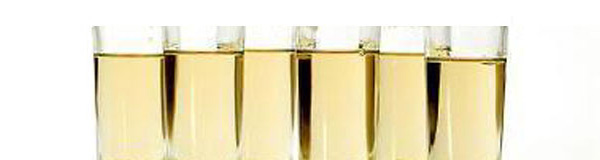
Tequila has a deep cultural meaning, rich history and a proper way to be sipped. To help you get better acquainted with the libation, here is a guide to drinking tequila in Mexico.
While tequila is typically thought of as something you took too many shots of during a crazy night out, the drink actually has a deep cultural meaning, rich history and a proper way to be sipped. To help you get better acquainted with the libation, here is a guide to drinking tequila in Mexico.
History
Originating in the northwestern state of Jalisco, tequila is North America's first distilled and commercially produced alcohol. It is distilled from the blue agave plant, which produces sugar and is native to Jalisco. Tequila's roots reach back into pre-Hispanic times when the Aztecs fermented sap from the local agave plants, long before the Spanish arrived in 1521. Then, when the brandy the Spaniards had brought with them ran out, they began to distill the agave plant to make tequila.
By law, tequila can only be called "tequila" if it is made in Jalisco. The first qualifications for the drink were written in 1947, and have been constantly updated ever since. If you're looking for top-shelf tequila, make sure it's made with 100% blue agave.
How It's Made
According to tequila distillers Daniel Osuna and Alfonso Pelayo Osuna, there is a very specific process for making tequila. First, the agave is cultivated for seven to eight years, before the spines are cut off and the piñas are transported to the distillery. Once this is done, there are four steps in the production process.
1. The piñas are roasted in the oven. This is to change the starch into fermentable sugars and to soften the piñas' texture to be able to extract their juice.
2. Now comes the sugar extraction, where the largest amount of sugar within the agave is extracted.
3. Fermenting is the most important stage in the process for obtaining the desired characteristics of the tequila. The sugar is isolated to allow it to change to alcohol and for the pleasant aromas to appear.
4. Finally, the product is distilled. This is when the tequila is refined for perfect flavor and aroma in oak barrels. The alcohol absorbs the oak, allowing the tequila to have perfect body, softness and texture.
Classifications
There are two basic classifications of tequila, "100% blue agave" and "tequila mixto" (mixed). Mixed tequila contains at least 51% blue agave, with the rest typically coming from cane sugar. Other ingredients you may find in this type of tequila include caramel color, oak extract flavoring, glycerin, and sugar based syrup. This type does not need to be made in Jalisco. The other classification, 100% blue agave, will read "Tequila 100% de agave" or "Tequila 100% puro de agave" on the bottle. If it simply says "tequila," it's probably mixed.
From the two classifications there are five sub-classifications:
- Tequila Silver - Blanco - Plata - White - Platinum: This type of tequila is in its purest form. It usually isn't aged, with the true flavors, intensity and sweetness being present.
- Tequila Gold - Joven - Oro: This type of tequila is usually mixed, with added colors and flavors. Most times, this type of tequila is inexpensive and used for mixed drinks in bars; however, there are exceptions to this, like when silver tequila is mixed with a reposado and/or añejo tequila. By doing this, you're still keeping the product 100% blue agave.
- Tequila Reposado: Known as an "aged" or "rested" tequila, the drink is aged in wood barrels or storage tanks from anywhere between 2 to 11 months. It's usually gold in color and has flavors of agave and wood. Sometimes, the tequila will be aged in a barrel that once contained a different spirit like whiskey or wine, giving it some of those tastes, as well.
- Tequila Añejo: This "extra aged" tequila is aged for at least one year. The liquid usually takes on an amber color that is more smooth, dark and complex than the other sub-classifications.
- Tequila Extra Añejo: Known as "ultra aged," this tequila is aged for three years or more. The extended aging gives it a very dark color, and the flavor is often hard to distinguish between other high-quality aged spirits. After the aging process, distilled water is added to dilute the tequila.
The Difference Between Tequila and Mescal
Today, majority of mezcal is made in the state of Oaxaca, Mexico. Unlike tequila, there are five varieties of agave mezcal can be distilled from. Additionally, while tequila is double and sometimes triple distilled, mezcal is usually only distilled once to give it a stronger taste. Currently, more than 500 different brands of tequila are on the market, while mezcal boasts only 100.
To make mezcal, the sugar-rich core of the agave plant called the piña, is baked in a rock-lined pit oven over charcoal. It is covered with layers of palm-fiber mats and dirt, giving the drink a strong, smoky flavor. Locals in Oaxaca drink mezcal to calm their minds and lift their spirits, as well as stimulate their creativity. Moreover, the libation is made by hundreds of small family businesses called "palenques," which preserve traditional methods of mezcal production.
How To Sip Tequila
Typically, tequila is sipped slowly and enjoyed without salt and fruit. People began doing shots in this fashion because, in the past, the liquor was so strong drinkers needed to take the salt and lemon or lime to make it smoother. Specifically, tequila used to be made with 55 to 60º of alcohol, while today it is made with 38 to 40º, or 80 proof. To properly enjoy tequila, you should follow these steps:
- Purchase the bottle of your preference
- Pour a small portion into a globe glass, which keeps the aromas inside for you to enjoy
- Swirl the drink around like you would a fine wine
- Smell the tequila with your left nostril, then with your right nostril, to discover hidden scents
- Tap a small sip and swirl it around your mouth, swallow and take a deep breath. You'll hopefully be able to taste some flavors of wood and melchonte, or cooked agave.
- Drink slowly and enjoy how the flavors and aromas interact with your senses
Distillery Tours
The Tequila Express (or Tequila Train) is a Mexican regional train service that operates from Guadalajara, Jalisco, to the municipality of Amatitán, Jalisco. Why is it called the Tequila Express? Because passengers will be given tequila tastings, ride through blue agave fields and end at the Tequila Herradura distillery at the San José del Refugio Hacienda. Prices are $850 M.N. (about $65 USD) for adults, and $480 M.N. (about $37) for children 12 and under. Children under 5 ride free. You can purchase tickets on Ticketmaster's Mexico website or call 333-818-3802.
We invite you to add your charity or supporting organizations' news stories and coming events to PVAngels so we can share them with the world. Do it now!
Celebrate a Healthy Lifestyle
 From activities like hiking, swimming, bike riding and yoga, to restaurants offering healthy menus, Vallarta-Nayarit is the ideal place to continue - or start - your healthy lifestyle routine.
 Banderas Bay offers 34 miles of incomparable coastline in the states of Jalisco and Nayarit, and home to Puerto Vallarta and Riviera Nayarit's many great destinations.