
| Mexico’s Looming Water Crisis and the Call for Change Puerto Vallarta Daily News | |
| go to original May 17, 2023 |
 |
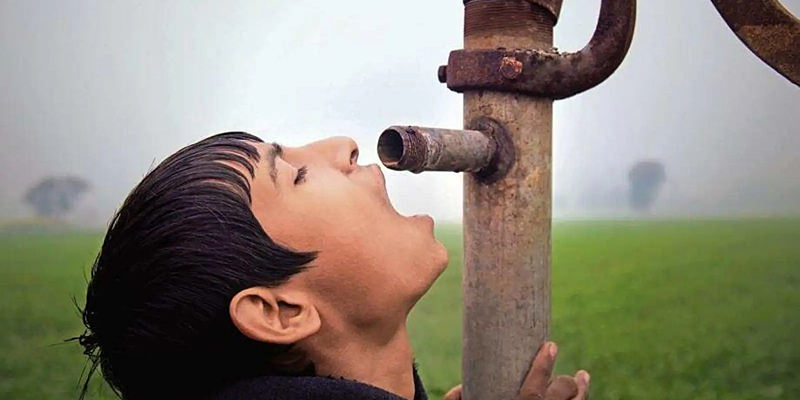
Over the past ten years, a significant rise in the frequency, intensity, and duration of droughts across the country has been observed. The Mexican Institute for Competitiveness (IMCO) data reveals that in 2021, there were 8,491 registered droughts; of these, 71 percent were categorized as severe, 26 percent as extreme, and the remaining 3 percent as exceptional.
This data signals that a vast portion of the country is grappling with high or extremely high water stress, endangering future generations’ water supply. This warning comes from Fernando González Villarreal, the Technical Coordinator of the UNAM Water Network and Director of the Regional Center for Water Security, in a statement released by the university.
In a conference titled “Water Perspectives in Mexico, Water Crisis?” hosted by the University Seminar on the Social Question (SUCS), González Villarreal emphasized the need for a paradigm shift in water use. He argues for a system that ensures both human and ecosystem access to water resources, even amid extreme weather events such as droughts. His solution? Relocating economic activities.
González Villarreal elaborated on the variability of rainfall in Mexico, both geographically and seasonally. Typically, 72 percent of rainfall occurs within a four-month period from June to September, yet this can vary from years of plentiful rain to extended droughts. The accumulation of rainwater also differs significantly, impacting water availability.
“In areas where water is abundant, economic activity is limited; only 23 percent of the population resides there. Conversely, the remaining 77 percent live in areas where water resources are scarce,” explained Cristóbal Jaime Jáquez, the inaugural director of the National Water Commission and founding president of the Mexican Institute of Water Technology.
Further complicating matters are issues such as the growing encroachment on natural areas including floodplains and wetlands, reduced public and private investment to tackle water-related problems, and the escalating effects of climate change.
González Villarreal noted that 50 percent of the country has already lost its original vegetation cover, 60 percent of water bodies are somewhat polluted, and 157 aquifers are being overexploited.
Read the rest at Puerto Vallarta Daily News
We invite you to add your charity or supporting organizations' news stories and coming events to PVAngels so we can share them with the world. Do it now!
Celebrate a Healthy Lifestyle
 From activities like hiking, swimming, bike riding and yoga, to restaurants offering healthy menus, Vallarta-Nayarit is the ideal place to continue - or start - your healthy lifestyle routine.
 Banderas Bay offers 34 miles of incomparable coastline in the states of Jalisco and Nayarit, and home to Puerto Vallarta and Riviera Nayarit's many great destinations.