
| Advocates Fear Chemicals Used on Mexico's Drug Crops Cause Cancer David Gagne - InSight Crime | |
| go to original February 13, 2017 |
 |
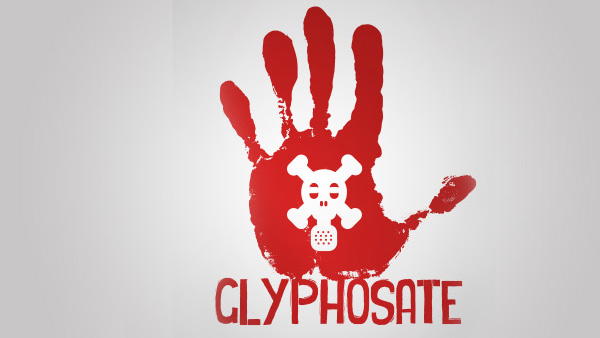
Reducing the use of chemical "accelerators" is difficult in Mexico as it is not the authorities but rather the criminal groups who are spraying them (NatureNews.com)
An advocacy group says exposure to chemicals used by criminal groups to help grow marijuana and opium poppy plants could be behind a surge in the incidence of cancer among indigenous children in northern Mexico.
Antonio Hernández, the director of the Mexican Association to Help Children With Cancer (Asociación Mexicana de Ayuda a Niños con Cáncer - AMANC), told El Universal that the Tarahumara indigenous group has experienced a rash of cancer cases in the last year. All of the cases reportedly involve children in the mountains of Chihuahua whose mothers work in marijuana and poppy fields.
As babies, the mothers brought the children to the fields with them while they worked, exposing them to chemicals known as "accelerators," which criminal groups use to help the illicit plants grow quicker and bigger, Hernández said.
The municipality of Guadalupe y Calvo has been hit the hardest, according to the AMANC, with seven reported cancer cases last year. The town is also a major producer of marijuana crops; according to official statistics cited by El Universal, authorities destroyed 600,000 plants in a single operation last September.
InSight Crime Analysis
The causal relationship between the chemical "accelerators" and cancer in children has not yet been proven, meaning authorities should consider investigating the AMANC's concerns. In 2015, Colombia banned the use of the herbicide glyphosate after the World Health Organization found that it may cause cancer. Reducing the use of the accelerators would be more difficult in Mexico, however, as it is not the authorities but rather the criminal groups who are spraying them.
While organized crime's impact on public health is usually measured in homicide rates and drug consumption figures, these examples demonstrate that it could also be considered in terms of physical illness and disease.
In addition, El Universal's report underscores the myriad ways that organized crime can negatively impact indigenous communities in Latin America. The Wounaan group in Panama has documented how illegal logging and cattle ranching have led to the deforestation of their lands and the pollution of their rivers. In Brazil, illegal diamond mining is pushing the Cinta-Larga tribe "to the brink of extinction," according to one local prosecutor. And the drug trade has had serious consequences for indigenous communities in several parts of the region, such as Venezuela and Honduras.
See the original at InSight Crime
InSight Crime is a foundation dedicated to the study of the principal threat to national and citizen security in Latin America and the Caribbean: organized crime. We seek to deepen and inform the debate about organized crime in the Americas by providing the general public with regular reporting, analysis and investigation on the subject and on state efforts to combat it.
We invite you to add your charity or supporting organizations' news stories and coming events to PVAngels so we can share them with the world. Do it now!
Celebrate a Healthy Lifestyle
 From activities like hiking, swimming, bike riding and yoga, to restaurants offering healthy menus, Vallarta-Nayarit is the ideal place to continue - or start - your healthy lifestyle routine.
 Banderas Bay offers 34 miles of incomparable coastline in the states of Jalisco and Nayarit, and home to Puerto Vallarta and Riviera Nayarit's many great destinations.