
| Attacking the Money-Laundering Problem in Mexico Barbara Altimus Shreero - National Law Review | |
| go to original December 10, 2014 |
 |
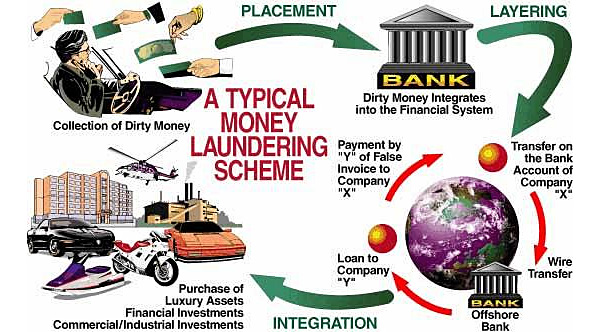
According to the Los Angeles Times, Mexican officials have estimated the amount of laundered money in the Mexican economy at $50 billion annually - three percent of the legitimate Mexican economy. The CIA World Fact Book labels Mexico as a “major drug-producing and transit nation”, as well as a “significant money-laundering center”. Illicit cash flows from cartels have affected nearly every corner of the Mexican economy.
On October 17, 2012, Mexico passed the Ley Federal para la Prevención e Identificación de Operaciones con Recursos de Procedencia Ilícita (the “AML Law”), a new federal law aimed at identifying and preventing the use of illegal proceeds and terrorism financing. The AML Law became effective on July 17, 2013. The AML Law created an investigative unit within the Mexican Attorney General’s office, tasked with investigating transactions involving illegal proceeds. It also provides for monetary and administrative sanctions, as well as criminal liability.
To attack the money-laundering problem, the AML Law bans certain cash transactions (such as the purchase or sale of real estate property valued over a certain threshold) and imposes reporting requirements on certain transactions deemed vulnerable because of their likelihood of involving money-laundering and organized crime.
Read the rest at National Law Review
We invite you to add your charity or supporting organizations' news stories and coming events to PVAngels so we can share them with the world. Do it now!
Celebrate a Healthy Lifestyle
 From activities like hiking, swimming, bike riding and yoga, to restaurants offering healthy menus, Vallarta-Nayarit is the ideal place to continue - or start - your healthy lifestyle routine.
 Banderas Bay offers 34 miles of incomparable coastline in the states of Jalisco and Nayarit, and home to Puerto Vallarta and Riviera Nayarit's many great destinations.