
| Sitting All Day Increases Dementia Risk — Even if You Exercise Gretchen Reynolds - The Washington Post | |
| go to original September 27, 2023 |
 |
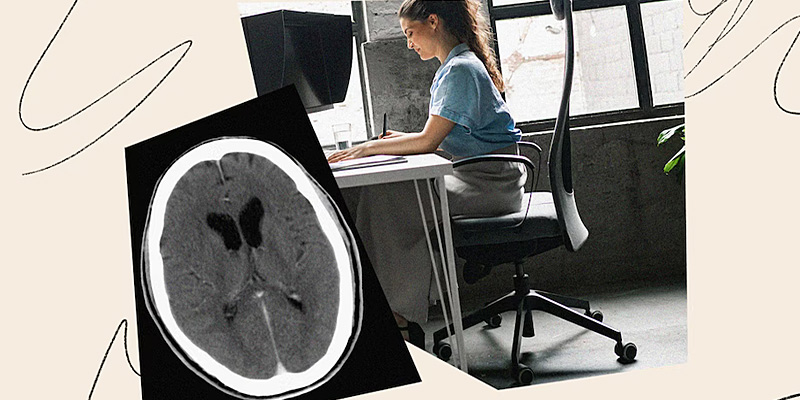

A new study shows that people who sit more than about 10 hours a day are at higher risk for dementia within the next decade than people who sit less. (Washington Post/iStock)
In news that we shouldn’t take sitting down, a study published in JAMA finds that people who stay seated for long hours at work and home are at much higher risk of developing dementia than people who sit less.
The negative effects of extended sitting can be so strong, researchers found, that even people who exercise regularly face higher risk if they sit for much of the day.
The study, which involved 49,841 men and women aged 60 or older, “supports the idea that more time spent in sedentary behaviors increases one’s risk of dementia,” said Andrew Budson, a professor of neurology at Boston University and author of Seven Steps to Managing Your Aging Memory, who was not involved with the study.
The results also underscore just how pervasive the consequences of sitting can be, affecting our minds, as well as our bodies, and they hint that exercise by itself may not be enough to protect us.
The Peril of Sitting Too Much
The downsides of oversitting are well known to scientists and most of the rest of us. Past research shows that people who sit throughout the day, accumulating multiple hours of sedentary time at the office, commuting, and at home, in front of televisions and computers, are more likely to develop heart disease, obesity, diabetes and other illnesses and die prematurely than people who often get up and move around.
Sitting can even undermine exercise. According to other recent research, people who work out but then sit for the rest of the day wind up erasing some of the expected metabolic benefits of their exertions.
But whether sitting likewise affects brain health hasn’t been as clear. Some studies have linked sitting and later memory problems, including Alzheimer’s disease and other forms of dementia. But they’ve mostly relied on people’s recall of how much they sit, which can be quite inaccurate.
How Do I Lower My Risk?
The best way to reduce dementia risk is to find ways to sit less overall. “People in our study who were sedentary for 9.5 hours a day didn’t have any increased risk,” David Raichlen, a professor of biological sciences and anthropology at the University of Southern California, said.
If your job requires a lot of desk and computer time, look for opportunities during the day to be in motion. Stroll around your office while you’re on the phone. Schedule walking meetings. Pick up your lunch instead of having it delivered.
Try to keep track of how many hours you’re spending stationary. As they reach or exceed 10, Raichlen said, move more, Zoom less.
Of course, this study was associational and can’t prove sitting causes cognitive decline. It also doesn’t tell us how the two might be related.
“There have been suggestions cerebral blood flow is affected” by sitting, Raichlen said, reducing the brain’s supplies of oxygen and fuel. We also may snack and otherwise eat poorly when we sit for hours, especially in front of the TV, which could influence long-term brain health.
The encouraging news about oversitting, though, is that it can be undone, Raichlen said. “Sit less, move more. That’s the message, and we probably can’t repeat it enough.”
Read the rest at The Washington Post
We invite you to add your charity or supporting organizations' news stories and coming events to PVAngels so we can share them with the world. Do it now!
 Banderas Bay offers 34 miles of incomparable coastline in the states of Jalisco and Nayarit, and home to Puerto Vallarta and Riviera Nayarit's many great destinations.