
| Get Better Sleep Every Night: Understand the Science Carry Higgins - WorldHealth.net | |
| go to original July 24, 2023 |
 |
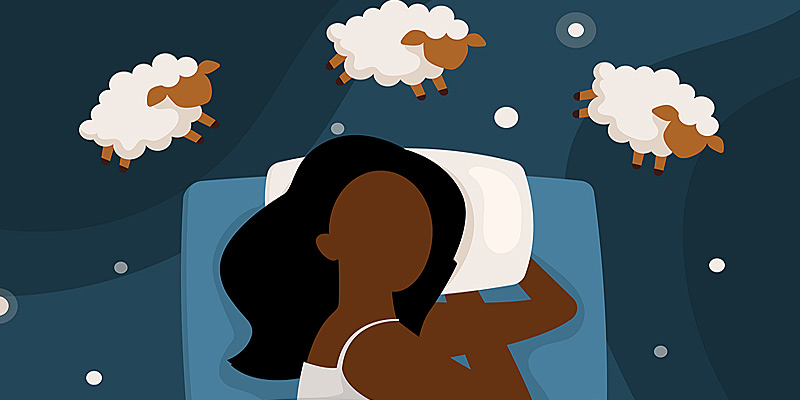
Sleep is far from being a passive state of unconsciousness. On the contrary, it's a complex process that plays a vital role in our physical and mental well-being. To improve our sleep quality, we must learn more about its stages.
When we fall asleep, our brains go through different stages: Non-Rapid Eye Movement (NREM) and Rapid Eye Movement (REM). During the NREM stage, our bodies repair and restore themselves, while REM sleep supports cognitive functions like memory consolidation and learning. Both stages are crucial for our overall health and vitality.
But what regulates these two stages? Enter circadian rhythms, our internal biological clocks synchronizing with the 24-hour day-night cycle. These rhythms influence our sleeping patterns, body temperature, and hormone production. Understanding and aligning with our circadian rhythms can optimize this cycle and promote better sleep.
Moreover, the duration and timing of our night's rest are equally important. Adults require 7-9 hours of sleep each night for optimal functioning. Consistency in the schedule is key, as irregular sleep patterns can disrupt our circadian rhythms and compromise quality.
Creating Your Sleep Sanctuary: Crafting an Environment for Optimal Rest
The quality of our rest can be significantly impacted by the environment in which we sleep in. You must curate an ideal environment that promotes relaxation and tranquility to get better sleep every night.
When creating a sleep sanctuary one of the most important things to keep in mind is light, because exposure to bright light, especially blue light emitted by electronic devices, can suppress the production of melatonin, the hormone that regulates sleep. Opt for blackout curtains or blinds to block out external light sources, ensuring a dark and conducive space.
Noise can also disrupt our nightly rest. If you live in a noisy area or are sensitive to sounds, try using earplugs or a white noise machine to mask disruptive noises and create a soothing atmosphere.
Temperature can also affect sleep quality as well. Keeping your bedroom on the cooler side, between 60-67 degrees Fahrenheit (15-19 degrees Celsius), and adjusting your bedding and clothing as the seasons change will help to provide comfort throughout the night.
A supportive mattress and comfortable bedding are essential for restful sleep. You can save money on certain purchases, but scrimping on a mattress may not be a good idea considering how important sleep is; invest in a quality mattress that suits your preferences, as a comfortable and supportive surface can help to alleviate aches and pains.
Lastly, emphasize the importance of a good night's rest wherever you are. Ensuring a comfortable sleep environment is crucial, whether on vacation or amid a move. When you're relocating, always pack your bedroom essentials within easy reach, that way you'll have your bedroom ready as soon as you arrive in your new home. And for your next holiday, choose accommodations with suitable beds to ensure a good night's rest.
Read the rest at WHN
Related: Natural Ways to Get Better Sleep (National Council on Aging)
Related: Creating a Sleep Routine – 6 Steps to a Better Night's Rest (Washington University)
Related: What to Do When You Can't Fall Back Asleep (WebMD)
We invite you to add your charity or supporting organizations' news stories and coming events to PVAngels so we can share them with the world. Do it now!
 Banderas Bay offers 34 miles of incomparable coastline in the states of Jalisco and Nayarit, and home to Puerto Vallarta and Riviera Nayarit's many great destinations.