
| What’s the Least You Can Do and Still Stay Healthy? Sabrina Felson - WebMD | |
| go to original July 7, 2023 |
 |
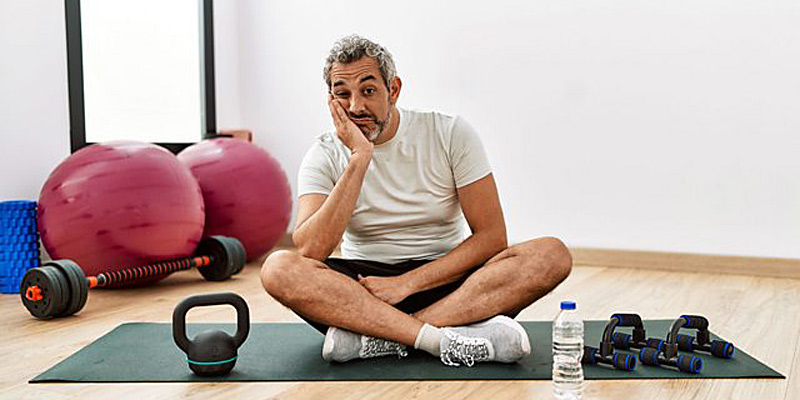
Trying to be healthy can feel overwhelming. From exercise to nutrition to doctor visits, there's a lot to remember and a lot to fit into your life. Fortunately, most "rules" aren't one-size-fits-all mandates. So where can you take shortcuts or give yourself a break?
Water
"Drink eight glasses of water a day" isn't the whole story. The amount of total fluids you need (not just water you drink) depends on things like your health and where you live. You're probably fine if you don't feel thirsty and your pee is clear or pale yellow. Instead of counting, drink a glass of water with each meal and also between them. Drink water before, during, and after exercise, too.
General Exercise
Your step counter may say 10,000, but did you break a sweat for any of them? The number isn't magic -- the key here is intensity. For cardio exercise to be effective, you need to get your heart rate up for at least 10 minutes. You can get away with fewer than 20-30 minutes a day (adding up to 150 a week) when you're working harder: 15 minutes of jogging is like a half-hour of brisk walking.
Muscle Building
At least twice a week, do something to strengthen your arms, shoulders, legs, hips, abs, chest, and back: Lift weights, use resistance bands, or even dig in the garden.
How about making your exercise time do double-duty? A short, intense workout of 30-second exercises like jumping jacks, push-ups, and squats with 10 seconds of rest between improves your heart and lung health as well as your muscles.
Flexibility
You should be stretching two days a week (or more) to help you bend and move easily. Gentle practices like yoga, tai chi, and Pilates improve your flexibility and your balance, too.
You've heard to stretch before and after exercise, but research is mixed on whether you really need both. Before a workout may not do any good and might even hurt performance a little. Do your stretches after your muscles are warmed up to help you avoid injuries.
Calories
You'll need more calories if you're active, less if you're more sluggish or older. Men generally need more than women. There's a lot of measuring and math to figure out exactly how many you need. Rather than counting calories, focus on healthy eating patterns. Invest your calories wisely. Avoid lots of "empty" ones, like soda, chips, and cookies. Nutrient-rich foods have a better payoff.
Read the rest at WebMD
Related: Workout Ideas for Lazy People (Poosh)
We invite you to add your charity or supporting organizations' news stories and coming events to PVAngels so we can share them with the world. Do it now!
 Banderas Bay offers 34 miles of incomparable coastline in the states of Jalisco and Nayarit, and home to Puerto Vallarta and Riviera Nayarit's many great destinations.