
| Meatless in Mexico: A Vegetarian’s Guide to Eating Well Louisa Rogers - Mexico News Daily | |
| go to original July 1, 2023 |
 |
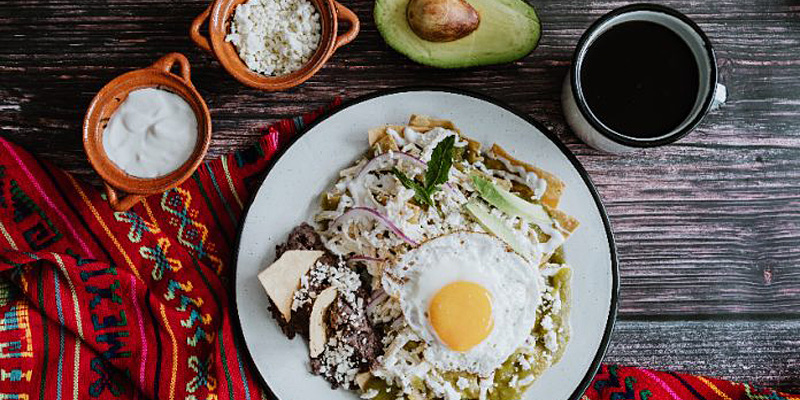

Some traditional Mexican dishes, like chilaquiles served with eggs, make for hearty and delicious vegetarian options. (Shutterstock)
If you think it’s hard to find vegetarian dishes in Mexico, you should have visited back in 1982, when my husband, Barry, and I first did.
Luckily we did eat fish, but otherwise, it was tough. Now, though, it’s much easier. Chefs and waiters won’t think you’re weird when you say, “No como carne.” And you don’t have to be fluent in Spanish to eat vegetarian, although knowing the names of different toppings and foods definitely helps.
Here are some ways we have figured out how to eat delicious non-meat dishes both in restaurants and at home (note, we are not vegans, and if you are, that is more of a challenge).
Where to Shop
When we first came to Mexico, the only international food I could buy was heavily salted soy sauce, but today it’s completely different, with supermarkets that cater to a diversity of tastes. If you live near an urban area or a tourist town, chances are you’ll find one near you. If you visit La Comer, or City Market, you’ll find Asian condiments, tofu, decent peanut butter, various rices, gluten-free products, organic produce, and other imported items.
Dishes to Try for Daily Meals
Breakfast: Mexico has a wealth of egg dishes, which usually come with a side of beans, tortillas and salsa. You can enjoy huevos rancheros (fried egg on a tortilla base, served with salsa); chilaquiles (a breakfast version of nachos, topped with tomato sauce, cheese, beans and a fried egg); and huevos a la Mexicana (scrambled eggs with onion, chile and tomato). Most restaurants also serve granola (with or without yogurt) and fresh fruit.
Snack food: When traveling around Mexico, you can’t miss the puestos (stalls) offering gorditas (pocket sandwiches), tamales, tacos, or tortillas, with their different choice of fillings, including frijoles (beans), queso (cheese), nopales (cactus), papas (potato), cebollas (onion), acelga (chard), champiñones (mushrooms), or huevo (egg). Be sure to use “huevo” in the singular though, since the plural, by itself, is a slang term for a delicate part of the male anatomy! Another popular snack is elote, or corn on the cob, served with different garnishes and found on streets all over Mexico.
Lunch: La comida is the main meal of the day, and is usually eaten around 2 p.m. In restaurants, the comida corrida (fixed-price meal of the day) usually includes meat, but you can ask if they’ll substitute a non-meat dish for the entrée. Barry and I often enjoy tortilla soup, also called sopa azteca, which is tomato soup poured over fried tortilla strips and garnished with an array of toppings, including cheese, avocado, cilantro, fried chiles, onion, and sour cream. If you’re vegan, don’t forget to say, “Sin queso o crema, por favor” (No cheese or cream, please).
While many dishes do include meat, Mexico has a long tradition of eating another protein; beans! Black beans, gallo (pinto) beans, and frijoles peruanos (not Peruvian beans, as you might think, but a creamy yellow bean), available both cooked whole (enteros) and refried (refritos), can be found at most restaurants. Whatever you’re eating, ask if they can give you frijoles instead of meat, and check, if you’re a purist, if the beans are cooked in pork lard (manteca de cerdo) which is often the cooking fat of choice here in Mexico.
Another vegetarian option to consider is a meatless burrito. Beans and rice are another good bet, along with some pico de gallo (a diced tomato salsa). Or try mole, the thick, smoky, often chocolate-y sauce usually served over chicken, which many Mexicans consider the crowning glory of their national cuisine.
Dinner: Mexican dinner (la cena) is typically light, since the main meal is in the afternoon. Still, if you’re in a city, you can find plenty of restaurants open. International restaurants are more and more common, even in smaller cities. We’ve savored risotto in Zacatecas, tabouli in Guanajuato, and aloo gobi masala in Puebla. You can also find sushi anywhere. Chinese restaurants are everywhere in Mexican cities, but the food tends to be greasy. In Guanajuato, we can choose from Vietnamese, Thai, Mediterranean, and Arabic restaurants.
Mexico City however, is in a league of its own, and offers almost every type of cuisine as well as an array of vegan and vegetarian restaurants.
Read the rest at Mexico News Daily
We invite you to add your charity or supporting organizations' news stories and coming events to PVAngels so we can share them with the world. Do it now!
 Banderas Bay offers 34 miles of incomparable coastline in the states of Jalisco and Nayarit, and home to Puerto Vallarta and Riviera Nayarit's many great destinations.