
| Drugged Water: A New Global Pandemic Hiding in Plain Sight? Baher Kamal - IPSNews.net | |
| go to original April 15, 2022 |
 |
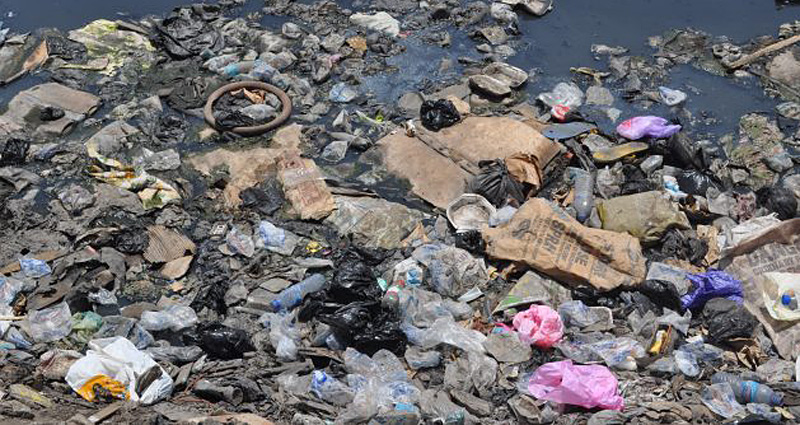

A recent study on pharmaceutical pollution of the world’s rivers concluded that higher levels of antibiotic-resistant pathogens were found in low- to middle-income countries and were associated with areas with poor wastewater and waste management infrastructure and pharmaceutical manufacturing. (Busani Bafana/IPS)
The study, elaborated by the United Nations Environment Programme (UNEP), found that, globally, not enough attention is being focused on the threat posed by antimicrobial resistance with most antibiotics being excreted into the environment via toilets or through open defecation.
Already in 2015, 34.8 billion daily doses of antibiotics were consumed, with up to 90 percent of them excreted into the environment as active substances. Since then the amount of daily consumed antibiotics has been increasing considerably.
80% of Wastewater, Untreated
While 80 percent of wastewater in the world is not treated, even in developed countries treatment facilities are often unable to filter out dangerous bugs.
This could breed superbugs that can evade modern medicine and trigger a pandemic, the report’s authors warned.
In 2019, antibiotic-resistant infections were linked to the deaths of nearly 5 million people. Without immediate action, those infections could cause up to 10 million deaths per year by 2050, the report found.
“Another pandemic is hiding in plain sight,” the report said. “The consequences of the continuing development and spread of antimicrobial resistance could be catastrophic.”
What Are Antimicrobials?
Antimicrobials are agents intended to kill or inhibit the growth of pathogens. They include antibiotics, fungicides, antiviral agents, parasiticides, as well as some disinfectants, antiseptics and natural products.
Antimicrobial resistance occurs when microbes, such as bacteria, viruses, parasites and fungi evolve to become immune to the drugs to which they were previously susceptible, explains the report.
The more microbes are exposed to pharmaceuticals, the more likely they are to adapt to them.
What to Do?
According to the report, this global threat can be tackled by curbing the release of antibiotic-tinged pollution, including through improved wastewater treatment and more targeted use of antibiotics – too often these drugs are used when they need not be.
The report also called for enhanced environmental governance and national action plans to limit the release of antimicrobials.
UNEP urged countries to embrace the One Health approach, which is centred on the idea that human and animal health are interdependent and linked to the health of the ecosystems in which they co-exist.
The strategy, for example, calls on countries to “limit deforestation, which often brings humans face-to-face with virus-carrying wild animals, giving pathogens a chance to jump species.”
The COVID-19 pandemic provides lessons learned, one of which is the need to prevent and tackle various health threats concurrently, especially their environmental dimensions, said the report.
Read the rest at IPSNews.net
We invite you to add your charity or supporting organizations' news stories and coming events to PVAngels so we can share them with the world. Do it now!
 Banderas Bay offers 34 miles of incomparable coastline in the states of Jalisco and Nayarit, and home to Puerto Vallarta and Riviera Nayarit's many great destinations.