
| Is It Better to Exercise in the Morning or Evening? Gretchen Reynolds - The New York Times | |
| go to original January 23, 2022 |
 |
Morning exercise has very different effects on metabolism than the same workout later in the day, according to an ambitious new animal study of exercise timing. The study, which involved healthy lab mice jogging on tiny treadmills, mapped hundreds of disparities in the numbers and activities of molecules and genes throughout the rodents’ bodies, depending on whether they ran first thing in the morning or deeper in the evening.
Many of these changes related to fat burning and other aspects of the animals’ metabolisms. Over time, such changes could substantially influence their disease risks and well-being. And though the study featured rodents, its findings likely have relevance for any of us who wonder if it is better to work out before work, or if we might get as much — or more — health benefit from after-hours exercise.
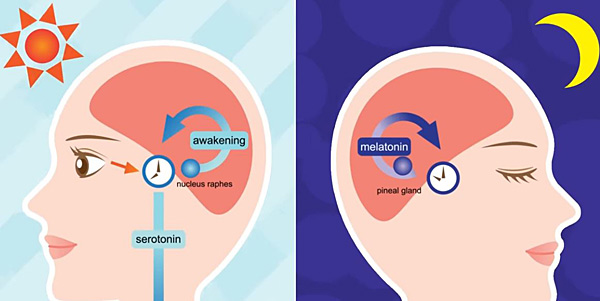
As anyone with a body knows, our internal operations and those of almost all living creatures follow a well-orchestrated and pervasive 24-hour circadian rhythm. Recent studies in animals and people show that almost every cell in our bodies contains a version of a molecular clock that coordinates with a broader, full-body timing system to direct most biological operations. Thanks to these internal clocks, our body temperature, blood sugar, blood pressure, hunger, heart rate, hormone levels, sleepiness, cell division, energy expenditure and many other processes surge and slow in repeated patterns throughout the day.
These internal rhythms, while predictable, are also malleable. Our internal clocks can recalibrate themselves, research shows, based on complex cues from inside and outside of us. In particular, they respond to light and dark but are likewise affected by our sleep habits and when we eat.
Recent research suggests that the time of day that we exercise also tunes our internal clocks. In past studies in mice, running at different hours affected the animals’ body temperatures, cardiac function and energy expenditure throughout the day and altered the activity of genes related to circadian rhythm and aging.
Read the rest at The New York Times
We invite you to add your charity or supporting organizations' news stories and coming events to PVAngels so we can share them with the world. Do it now!
 Banderas Bay offers 34 miles of incomparable coastline in the states of Jalisco and Nayarit, and home to Puerto Vallarta and Riviera Nayarit's many great destinations.